

Description
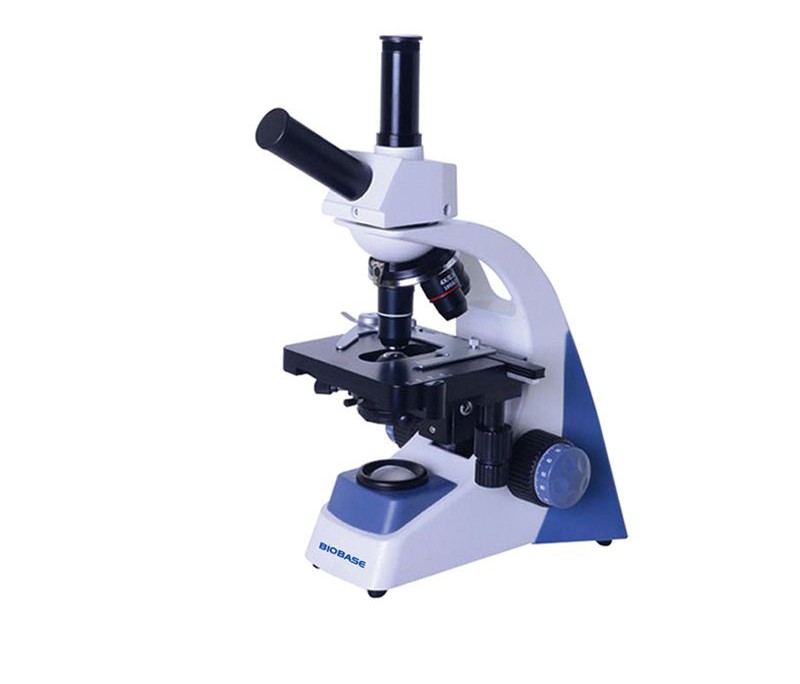
The Biobase Binocular Biological Microscope with USB Camera is a high-performance optical and digital imaging system designed to provide both traditional microscopic observation through eyepieces and modern digital documentation via USB connection. This makes it an excellent choice for scientists, students, educators, and lab technicians who need to examine microscopic specimens and capture clear images or videos of their findings for analysis, reporting, or teaching purposes.
Optical System & Viewing Head
This microscope typically features a binocular viewing head that is inclined at 30° and can be rotated 360°, which allows comfortable viewing from different angles and for users wearing eyeglasses. The interpupillary distance (distance between eyepiece lenses) is adjustable, enabling a customized fit for each observer’s eyes.
High-Quality Objective Lenses
The optical setup includes multiple achromatic objective lenses — usually ranging from low to high magnification (e.g., 4×, 10×, 40×, and 100× oil-immersion). These lenses deliver crisp, high-resolution images with good contrast, making fine cellular and structural details visible and well-defined.
Built-In USB Camera for Digital Imaging
One of the standout features is the integrated USB camera, which outputs live visual data to a connected computer or laptop. The camera captures images at valid resolutions such as 1.3MP (1280×1024) or higher — depending on the model — and transmits the data through a USB 2.0 interface. This makes it easy to save stills or record videos of observed specimens using imaging software such as ScopeImage.
This dual-mode capability means you can view samples through the optical eyepieces and simultaneously observe the same field of view on a screen, which is highly useful for group demonstrations, documentation, or publication-quality imaging.
Mechanical Precision & Stage Control
The microscope is equipped with a mechanical stage — often a double-layer type — allowing precise positioning and smooth movement of slides. Fine adjustments make it easier to navigate across a slide while observing intricate details.
Illumination System
For bright field microscopy, these microscopes use built-in LED illumination, which provides even, adjustable light intensity for consistent lighting of transparent specimens. Proper illumination is critical for achieving high-contrast images and effective focusing. Software Compatibility & Image Capture
The USB camera connects to a PC where dedicated software — frequently included or recommended — allows users to:
-
Capture high-resolution images
-
Record video footage of live observations
-
Measure and annotate features directly on the screen
This digital workflow greatly enhances the microscope’s utility for documentation, analysis, presentations, and collaborative work.
Applications & Versatility
This type of microscope is versatile and widely used in:
-
Biological and medical labs for examining cells, tissues, and micro-organisms
-
Academic teaching labs for hands-on training and demonstration
-
Research environments where precise imaging and recording are required
-
Quality control or industrial labs where microscopic inspection is essential
The inclusion of a USB camera bridges traditional microscopy with modern digital workflows, allowing users to leverage both visual inspection and digital data capture in one instrument. Design & Build
Biobase microscopes are generally built with metal frames and optical precision components, ensuring durability and alignment stability over long-term use. The adjustable binocular head and sturdy base make it comfortable for prolonged sessions, whether for teaching or research.
In summary, the Biobase Binocular Biological Microscope with USB Camera is a dual-function laboratory instrument that combines classic binocular optical microscopy with modern digital imaging capabilities. It offers strong magnification range, reliable optics, and precise mechanical controls — plus the convenience of capturing and storing microscopic imagery via USB, making it suitable for educational use, scientific research, and professional lab documentation.


Reviews
There are no reviews yet.