
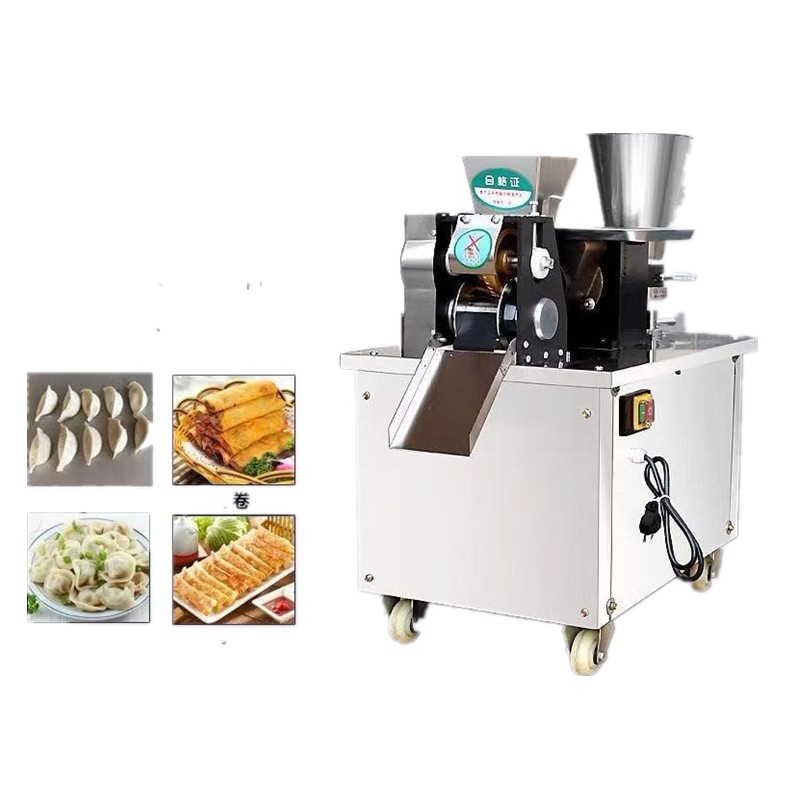
Description
The Industrial Food & Beverage Machinery – Grain Product Making Machines represent a comprehensive category of advanced production equipment designed to transform raw grains into a wide variety of edible and commercial food products. These machines are essential components in modern food processing industries, helping manufacturers produce consistent, high-quality grain-based foods such as noodles, pasta, cereals, biscuits, snacks, bread, flour, and animal feed. Engineered for reliability, precision, and hygiene, grain product making machines are the backbone of efficient food production lines in both small-scale workshops and large industrial facilities.
At their core, these machines are designed to handle a full range of grain-processing operations—from cleaning, grinding, and mixing to extruding, forming, baking, and packaging. They work with common cereal grains such as wheat, corn, rice, oats, barley, millet, and sorghum, turning them into diverse end products that meet international quality standards for food safety and taste.
A typical grain product making system consists of several integrated units, including:
-
Grain Cleaning and Sorting Machines, which remove impurities, stones, and dust from raw materials.
-
Milling Machines, which grind grains into fine flour or powder for food production.
-
Mixing and Conditioning Equipment, which blend flour with water, oil, flavorings, or additives to achieve uniform dough texture.
-
Extrusion Machines or Forming Lines, which shape the processed grain material into various products such as pasta, noodles, puffed snacks, breakfast cereals, or pellets.
-
Drying, Baking, and Cooling Systems, which ensure proper moisture content, texture, and shelf stability of the final product.
-
Packaging Units, which automatically weigh, fill, and seal the finished goods in hygienic, tamper-proof packaging.
These machines operate using electric drives (220V/380V/415V) and are equipped with automated control systems for precise temperature, speed, and pressure regulation. Most modern systems incorporate PLC (Programmable Logic Controller) technology and touchscreen interfaces, allowing operators to monitor every stage of production with real-time adjustments and minimal manual intervention.
Manufactured primarily from high-grade stainless steel, grain product making machines meet stringent food-grade and safety standards, ensuring hygiene, corrosion resistance, and long service life. Their smooth surfaces and detachable components make them easy to clean, reducing contamination risks and downtime during maintenance.
In terms of performance, these machines are engineered for high efficiency and continuous operation, with production capacities ranging from a few hundred kilograms to several tons per hour—depending on the model and application. The energy-efficient motors and precision-engineered mechanical systems minimize power consumption while maximizing throughput and product consistency.
For different product categories, specialized grain processing machines are used:
-
Pasta and Noodle Machines: for forming and cutting dough into desired shapes and sizes.
-
Snack Extruders: for making puffed corn snacks, chips, and cereals using extrusion technology.
-
Flour Milling Equipment: for grinding wheat, maize, or rice into fine powder for bakeries and food factories.
-
Rice Processing Machines: for polishing, dehusking, and grading rice grains.
-
Feed Pellet Machines: for converting grain by-products into nutritious livestock feed.
Advanced models may also include steam or hot air systems, screw conveyors, and automatic seasoning or flavoring drums, allowing for full automation of flavor coating and final product finishing. Some setups integrate multi-layer dryers, ensuring even drying and enhanced texture control for ready-to-eat cereals or instant noodles.
Environmental and economic efficiency are key advantages of these systems. Many grain product making machines are designed with low-emission motors, recyclable waste collection systems, and optimized thermal insulation to reduce energy loss. This makes them sustainable solutions for manufacturers aiming to minimize environmental impact while increasing output.
Additionally, the versatility of grain product machinery allows manufacturers to easily adjust product formulations, change molds or dies, and produce a wide variety of food types with a single production line—giving them flexibility to meet changing consumer demands and market trends.








Reviews
There are no reviews yet.